
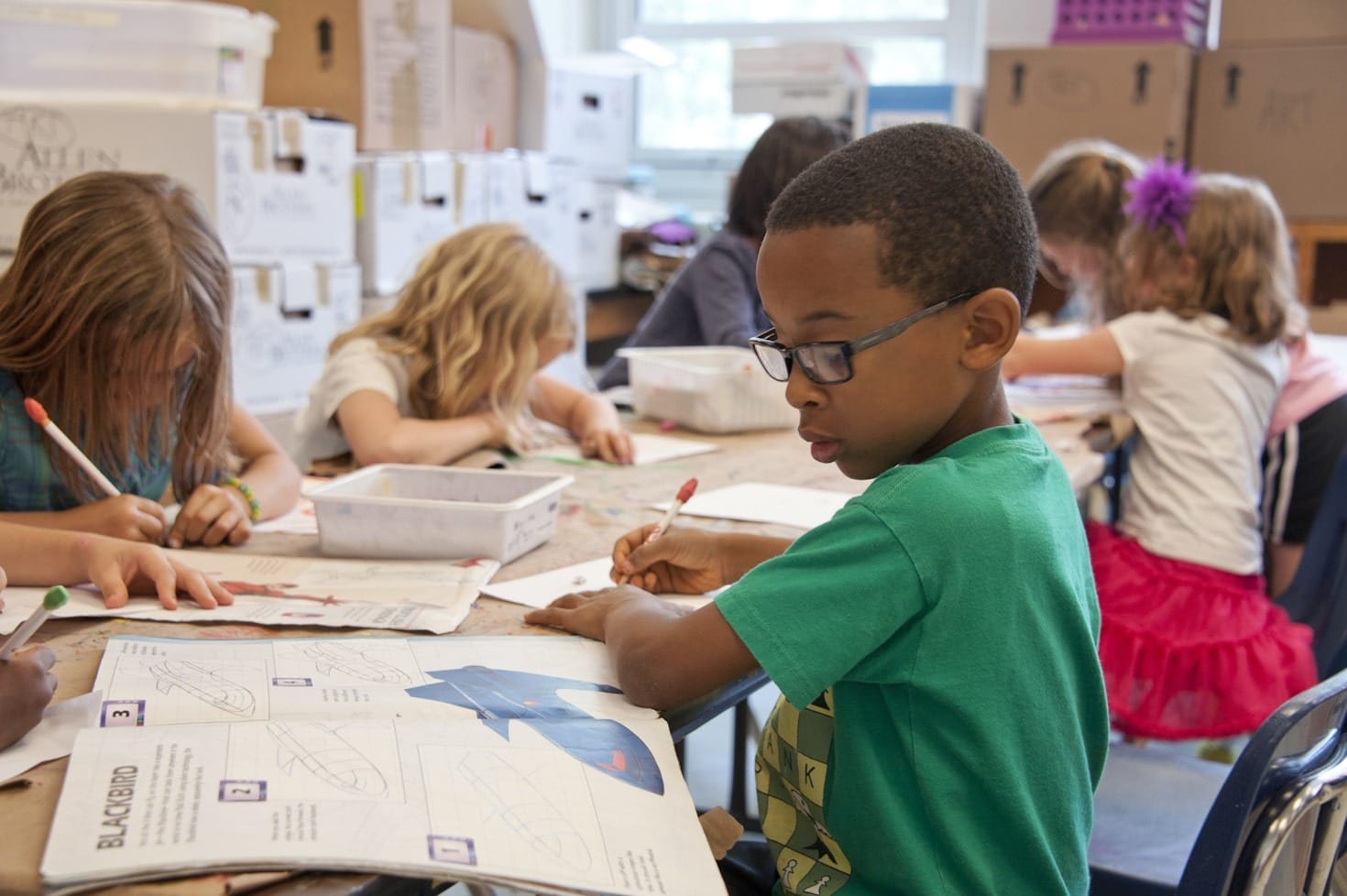
Ask most people what school is for, and they will mention reading, mathematics, science, and history. Rarely does anyone lead with empathy, self-awareness, or the ability to manage disappointment. Yet research tells us, again and again, that a child’s social and emotional development is not separate from their academic success it is the very foundation of it. For children with special needs, nurturing this dimension of growth is not optional. It is essential, urgent, and deeply transformative.
“The mind can only absorb what the heart feels safe enough to hold.”
Social and emotional learning commonly known as SEL refers to the process through which children develop the skills to understand and manage their emotions, build healthy relationships, show empathy, and make responsible decisions. These are not soft skills. They are the architecture of a functioning, fulfilled human life.


For children facing developmental challenges, the social and emotional landscape can feel especially complex. A child with autism may desperately want connection but struggle to read facial expressions. A child with ADHD may feel emotions intensely but lack the tools to regulate them. A child with anxiety may understand a lesson perfectly yet be unable to access that knowledge when fear takes over. In each of these cases, academic intervention alone is insufficient. When we invest in a child’s emotional world, we remove the invisible barriers standing between them and everything they are capable of learning.
The Classroom as an Emotional Environment
Every classroom has two curricula: the one written in lesson plans, and the one lived in everyday interactions. How a teacher responds when a child melts down, how peers are guided to include someone who is different, how mistakes are treated these moments teach children more about themselves and the world than any textbook chapter.
Creating emotionally safe learning environments means intentionally building routines that help children feel regulated and respected. Morning check-ins, calm-down corners, emotion charts, and cooperative learning activities are not distractions from real learning they are what make real learning possible. When a child feels safe, seen, and emotionally grounded, their brain is literally more available for growth. When they do not, even the most expertly designed lesson will struggle to land.
Some educators worry that prioritizing SEL takes precious time away from academic content. In reality, the opposite is true. Schools that embed social and emotional learning into daily routines consistently report fewer behavioral disruptions, stronger peer relationships, and significantly improved academic outcomes across all student groups.
Leave a Reply
You must be logged in to post a comment.