
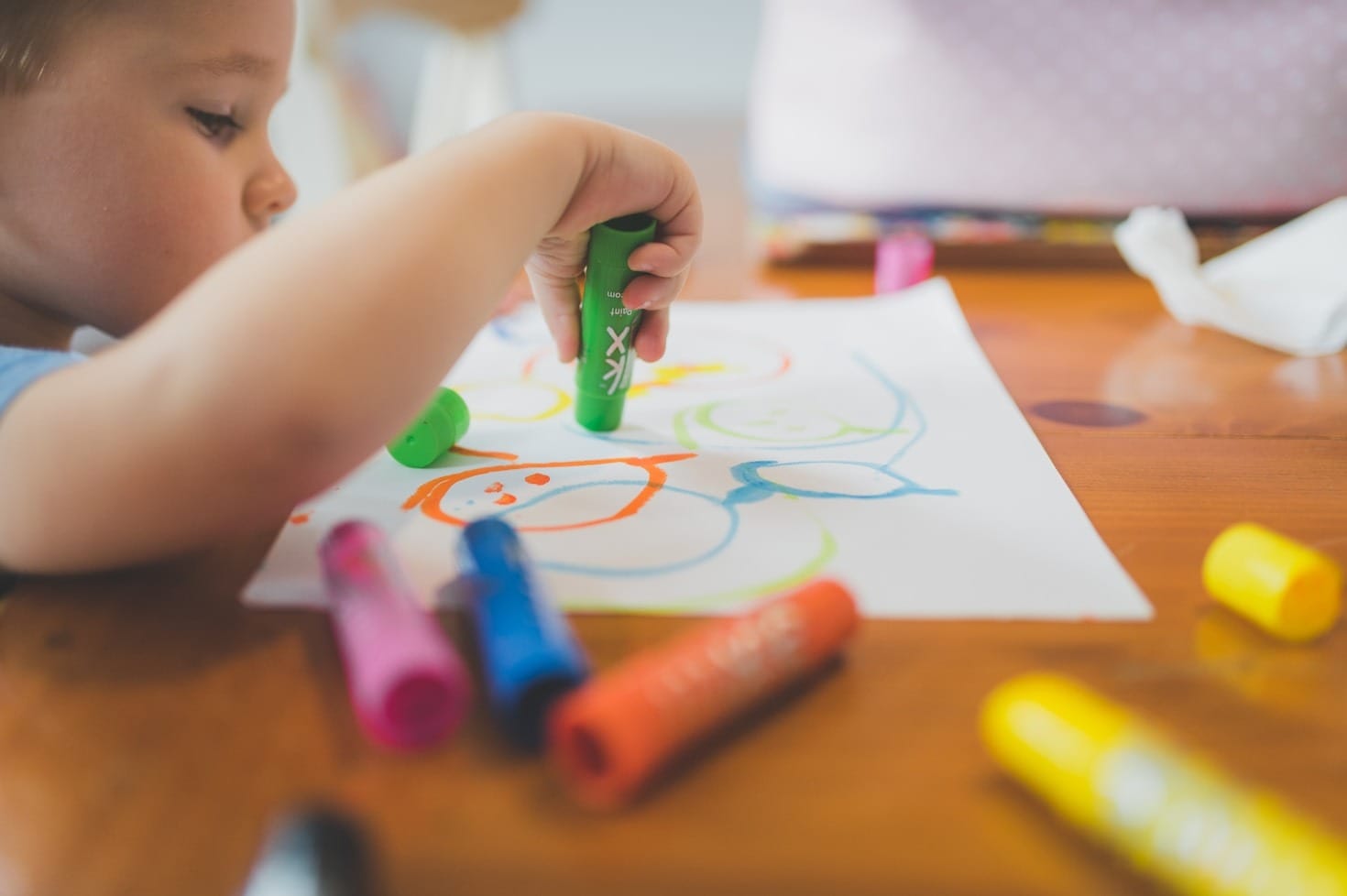
A child does not stop learning when the school bell rings. And a teacher’s influence does not end at the classroom door. When parents and educators truly work together sharing observations, aligning strategies, and trusting each other’s knowledge something remarkable happens: children don’t just cope, they thrive. Collaboration between home and school is not a nice-to-have. For children with special needs especially, it is the single most powerful factor in their growth and wellbeing.
“A child’s success is never the work of one pair of hands it is the harvest of many.”
Parents know their child in ways no educator can fully replicate. They know the morning routines that calm anxiety, the foods that affect mood, the fears that don’t show up on any assessment form. Educators, on the other hand, see the child in a social environment navigating friendships, responding to structure, discovering what ignites their curiosity. Both perspectives are incomplete on their own. Together, they form a full and powerful picture.


Studies in child development have consistently found that children whose parents are actively engaged in their education perform better academically, show stronger social skills, and demonstrate greater emotional resilience. For children facing developmental challenges, this effect is even more pronounced. When a therapist’s strategies are reinforced at home, when a teacher understands a child’s sensory triggers, when everyone on a child’s team speaks the same language progress that once felt impossible becomes achievable.
Breaking Down the Barriers
Despite its importance, parent-educator collaboration is not always easy. Busy schedules, communication gaps, cultural differences, and perhaps most significantly fear, can all stand in the way. Some parents worry about being judged. Some educators feel overwhelmed by the demands of large classrooms. Some families have had painful past experiences with school systems that left them feeling unheard or dismissed.
These barriers are real, but they are not insurmountable. The foundation of genuine collaboration is mutual respect a shared acknowledgment that both the parent and the educator are on the same side, rooting for the same child. It begins with listening before advising, asking before assuming, and approaching every meeting not as an evaluation but as a conversation between partners.
Leave a Reply
You must be logged in to post a comment.