
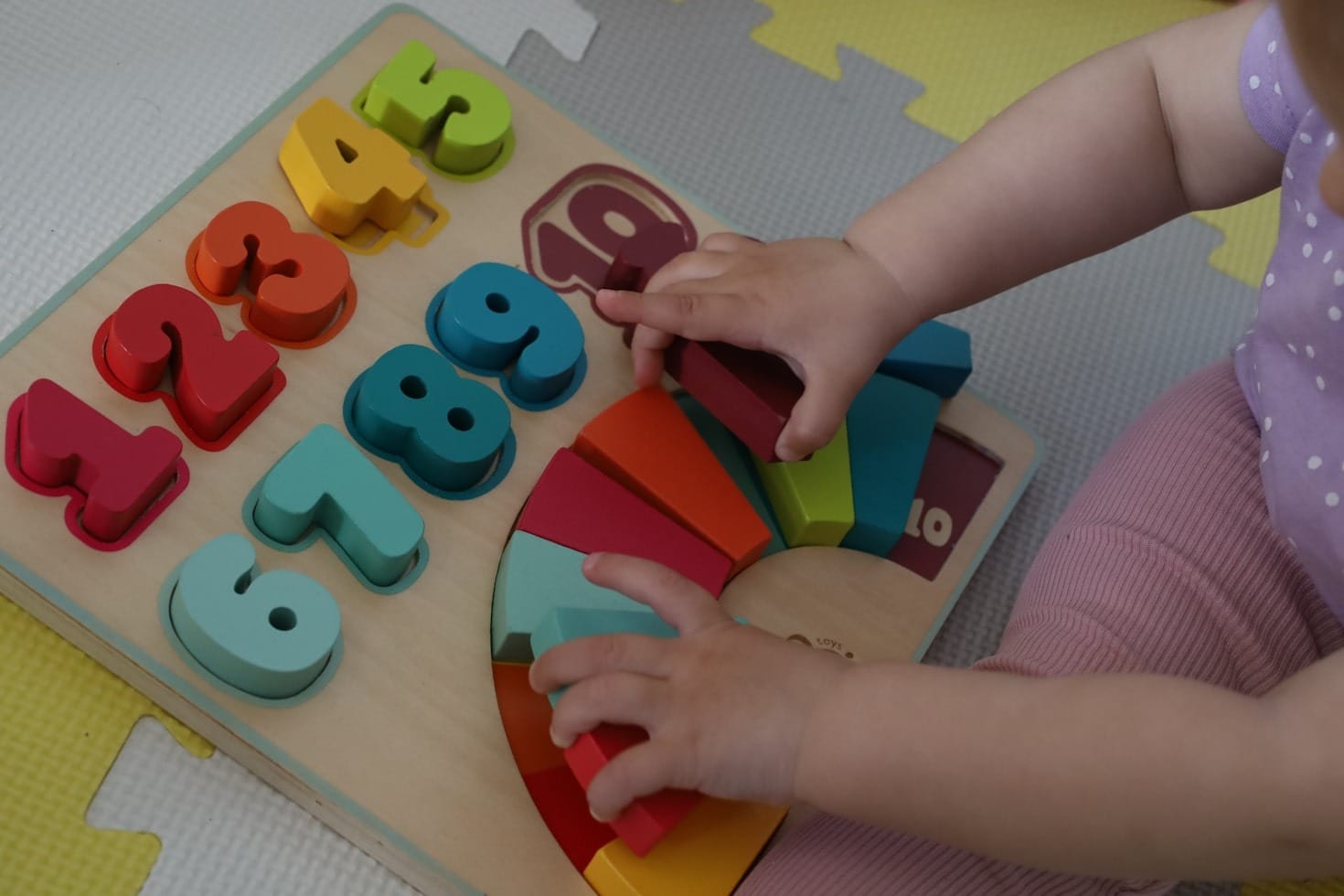
Teaching a child with developmental challenges is one of the most meaningful and nuanced roles a person can take on. Traditional classroom methods, while effective for many, often fall short for children who process and experience the world differently. That’s where innovative teaching approaches come in. By moving beyond the conventional and embracing creative, child-centred methods, educators and therapists are opening doors that once felt firmly closed. For parents navigating this space, understanding these approaches can be both reassuring and empowering.
“Every child is a different kind of flower and it takes the same sun, water, and care, just applied a little differently, for each one to bloom.”
Innovation in special needs education isn’t about chasing trends it’s about finding what genuinely connects with a child. Methods like play-based learning, for example, allow children to develop language, social, and cognitive skills in an environment that feels natural and enjoyable rather than pressured. Sensory integration techniques help children who are overwhelmed by their environment learn to regulate and engage more comfortably. Technology, too, is playing a growing role from communication apps that give non-verbal children a voice, to interactive programmes that make learning visual, dynamic, and fun. What unites all of these approaches is a deep respect for how each child uniquely thinks, feels, and grows.


Every child carries within them an extraordinary capacity to learn. For children facing developmental challenges whether autism spectrum disorder, dyslexia, ADHD, or speech and language delays that capacity is never in question. What changes is the path. And today, educators and parents around the world are discovering that when we rethink how we teach, we unlock possibilities that once seemed out of reach.ussion to its final stages.
Meeting Children Where They Are
The most powerful shift in modern special education is deceptively simple: start with the child, not the curriculum. Traditional classrooms were built around a single pace, a single style, and a single definition of success. But children with developmental challenges have taught us that there is no single anything when it comes to learning.
Differentiated instruction tailoring lessons to each child’s strengths, interests, and learning style has transformed countless classrooms. A child who struggles to read words off a page might thrive when lessons are delivered through music, movement, or visual storytelling. A child who finds group settings overwhelming might blossom in a one-on-one or small-group environment. The goal is never to fit the child into the system, but to fit the system around the child.
Leave a Reply
You must be logged in to post a comment.